
General Information: The French shipped 1,977,000 Model 1915 helmets to Russians for use in the First World War.[1] The helmets were painted khaki brown and had an Imperial Russian badge affixed to the front. This headgear was subsequently used extensively by both sides during the Russian Civil War. The Red Army used modified, reissued versionsContinue reading “Russian M15*”
Tag Archives: World War One
Italian M15*
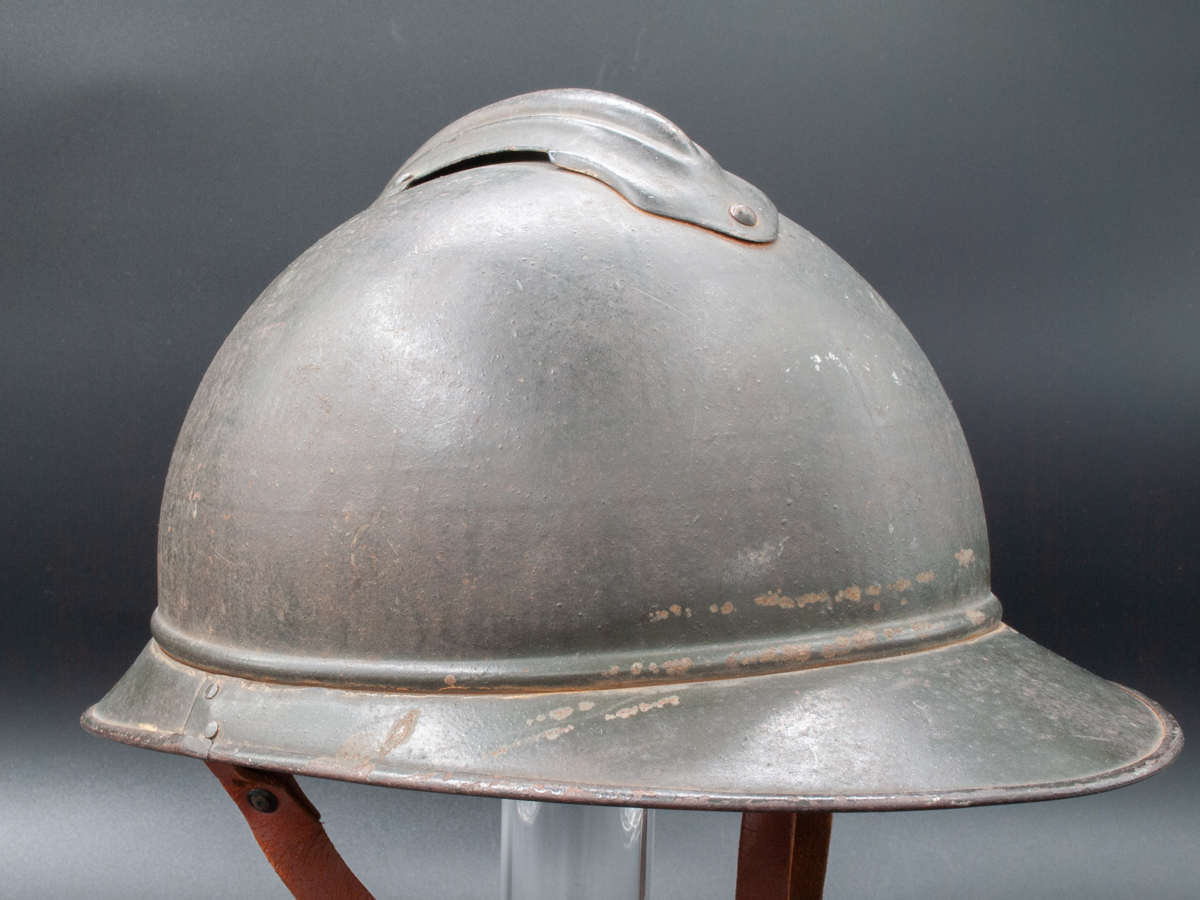
General Information: The first steel helmet widely distributed to Italian soldiers was the French Model 1915. Deliveries of these helmets began in the fall of 1915 and were the standard type painted blue with French infantry badges. Subsequently, the French produced for export to Italy helmets without badges or badge holes. The earliest versions ofContinue reading “Italian M15*”
USMC*
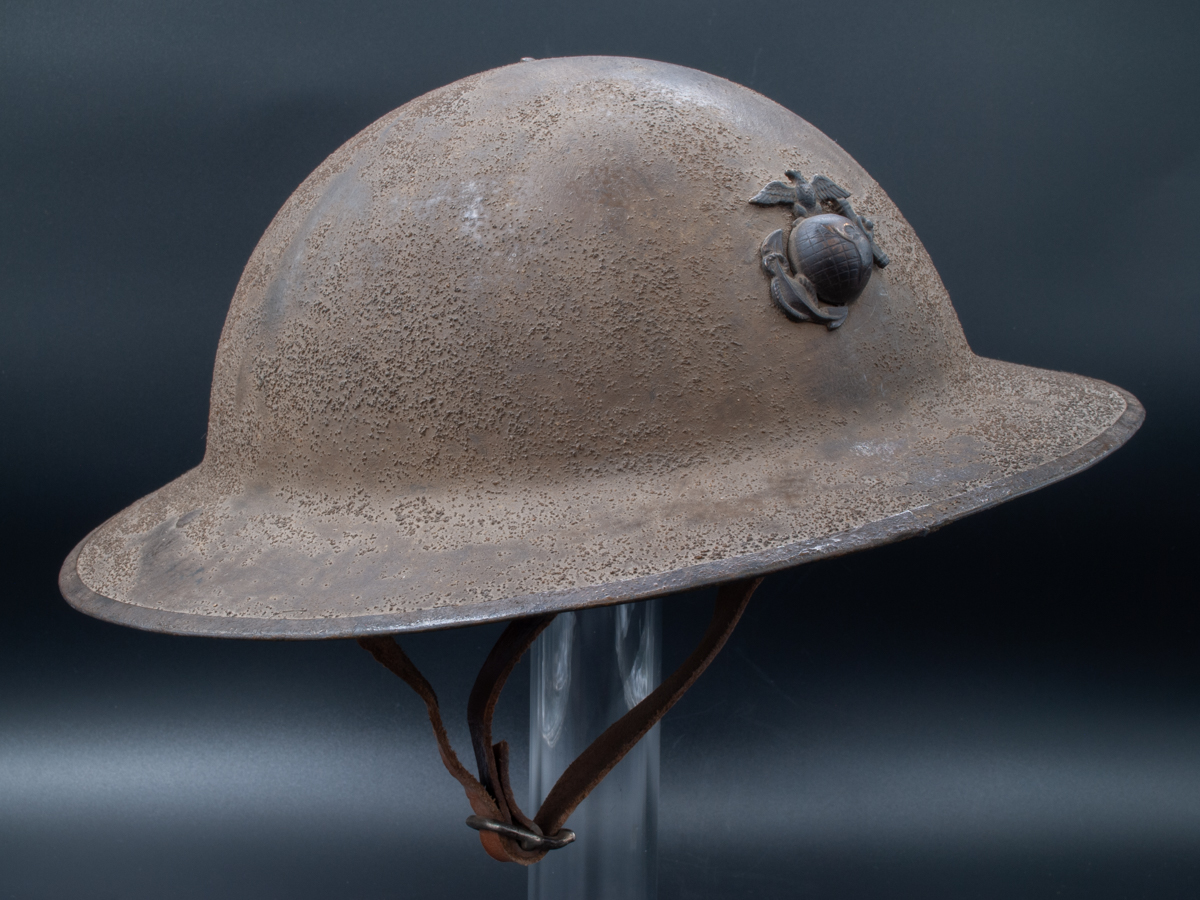
General Information: The application of US Marine Corps cap badges to steel helmets was a common practice in the post-World War One period, but was this was also done, to a lesser extent, during the conflict. The debate among collectors about whether EGA (Eagle, Globe, and Anchor) badges were used during the First World WarContinue reading “USMC*”
US Model 1917*

General Information: The US Model 1917, along with the British Mark I, was the standard headgear of the American Doughboy in the First World War. It is a near identical copy of the British MKI. One quick visual differentiator between the two types is the method of attaching the chinstrap mechanism to the shell; TheContinue reading “US Model 1917*”
German M17*

General Information: The German Model 1917 is identical to the Model 1916 but for one thing; the liner band is metal rather than leather. These were authorized in May of 1917.[1] The chinstrap is the same M91 type used on the M16s and on pickelhaubes, but the chinstrap hardware is more frequently steel or zinc-likeContinue reading “German M17*”
Austro-Hungarian Berndorfer*

General Information: The Berndorfer was the first steel helmet produced by Austro-Hungary. It was referred to as the “Stahlhelme nach inländischem Muster” or “Steel helmets of domestic pattern,” which is commonly translated these days as the “domestic model.” It was also simply called “Berndorfer Stahlhelme,” or “Berndorfer steel helmet.” “Berndorfer” is the name most typicallyContinue reading “Austro-Hungarian Berndorfer*”
Russian M17*
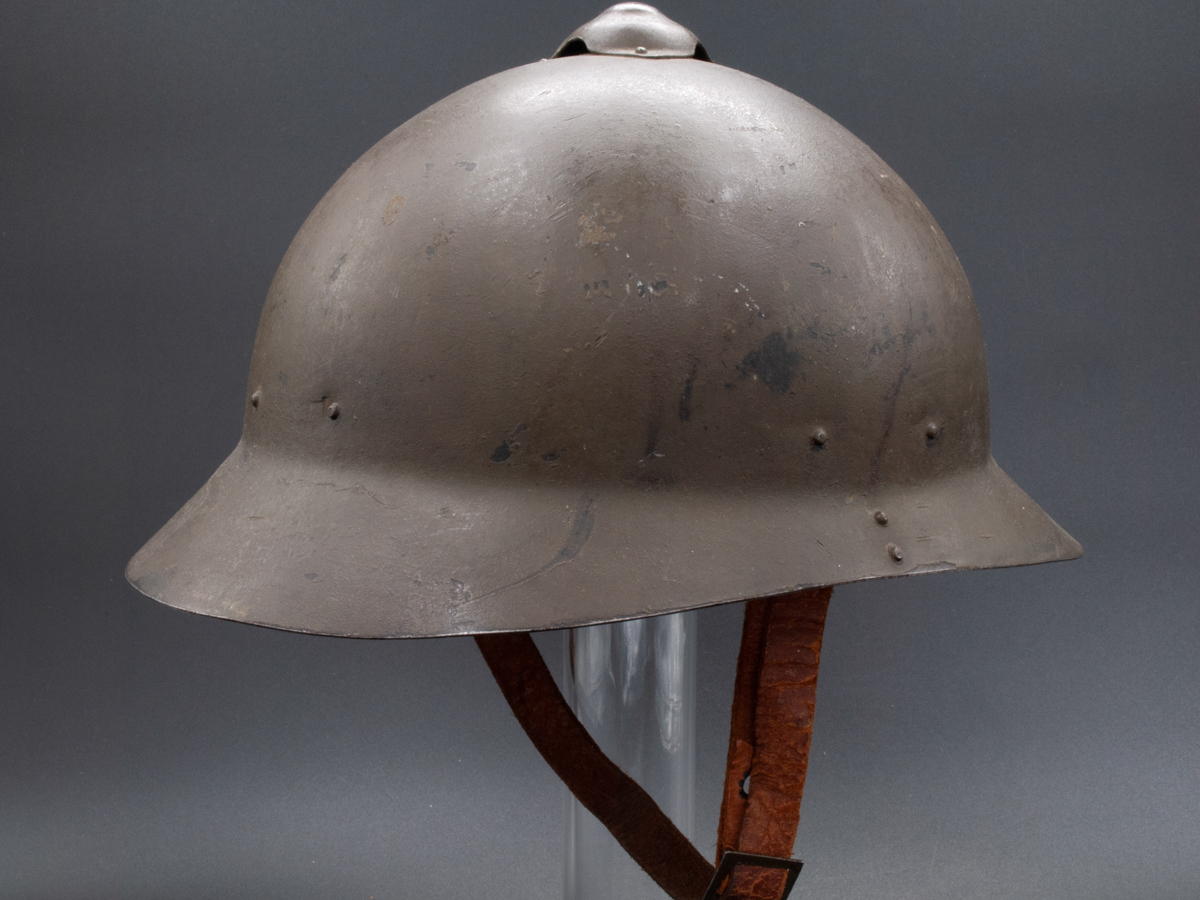
General Information: There was never an official designation for this helmet. Because it was produced in 1917, “M17” seems a good name. In contemporary documents it is sometimes identified as “Russian model helmet with shovel steel” or “ShLS” using the Russian abbreviation. This refers to the type of steel chosen for the helmet’s manufacture. InContinue reading “Russian M17*”
British MKI*

General Information: The first helmet used by British soldiers in the First World War, the War Office Pattern Helmet (see “British Brodie”) had deficiencies that needed to be addressed. Chief among these were the raw edge which could cause injury. Other problems included reflective paint, and complaints about the liner being hot and slippery. ToContinue reading “British MKI*”
Italian M16*
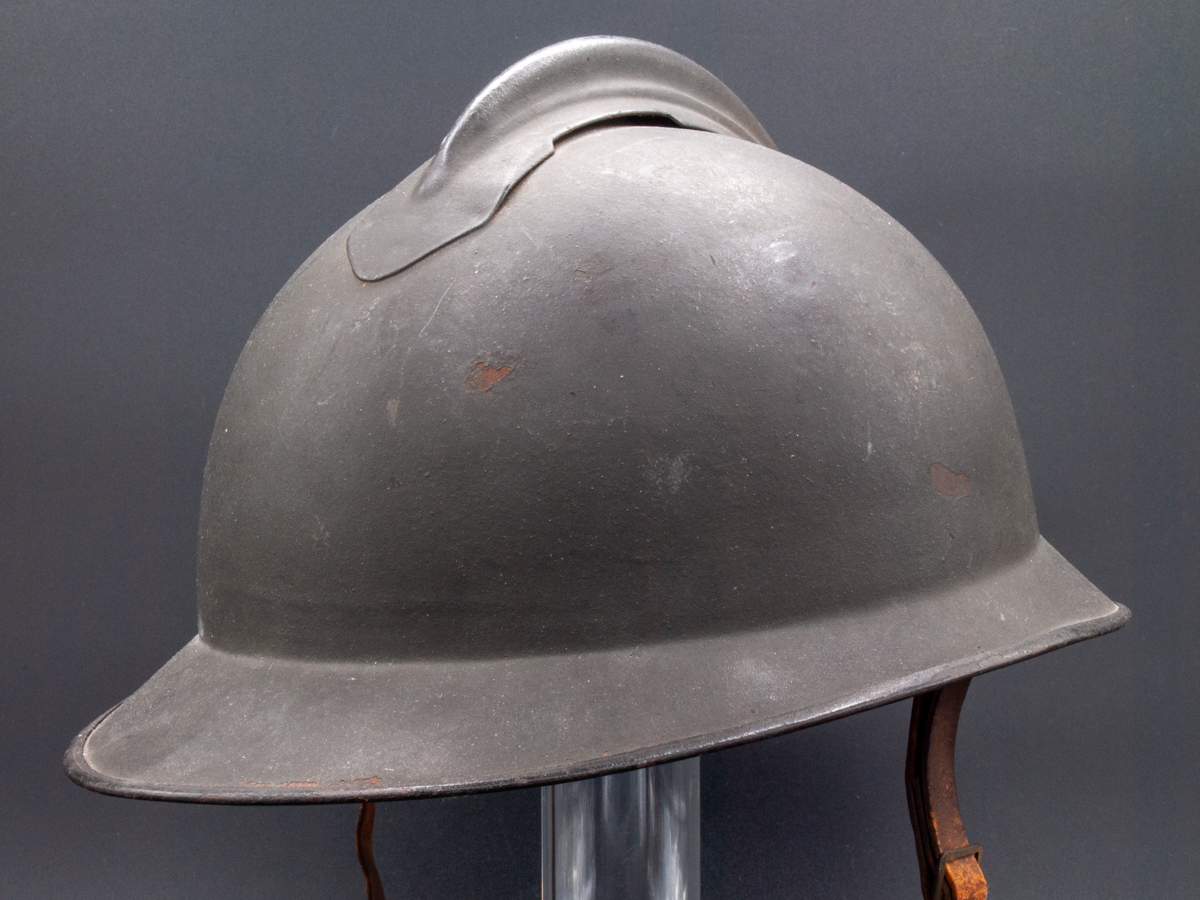
General Information: Initially, the Italians used French Model 1915 Adrian helmets imported from France. Starting in 1916, they produced a domestic version of the Adrian helmets. These were referred to in official documents as the Modello Lippman helmets after their designer.[1] The Lippmann helmet improved on the original French Adrian in several ways. It was madeContinue reading “Italian M16*”
German M16*
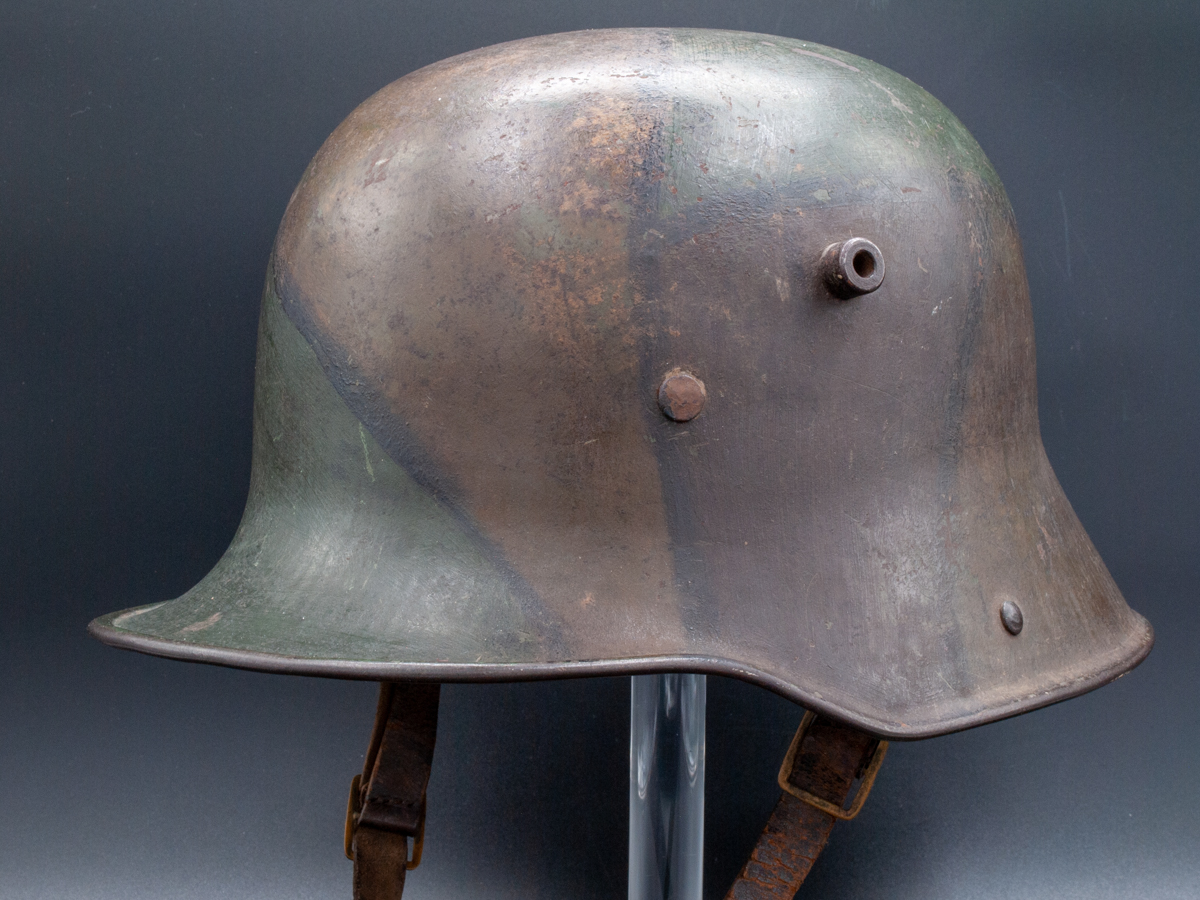
General Information: The German Model 1916 is widely considered to be the best helmet of the First World War in terms of its ability to protect the soldiers from head wounds. The one-piece construction provided a degree of structural integrity lacking in the four-piece French Model 1915 and the chromium-nickel steel composition was a strongContinue reading “German M16*”
 Steel Helmets of the World Wars