
General Description: The standard M-1 helmet used by the US army during the Second World War was not appropriate for airborne troops because the steel shells had a tendency to separate from the detachable liners during jumps. The solution was to create a modified version of the M-1 for use by paratroopers. The new model,Continue reading “US M-2 Paratrooper*”
Tag Archives: American
US M-1 Swivel Bale*
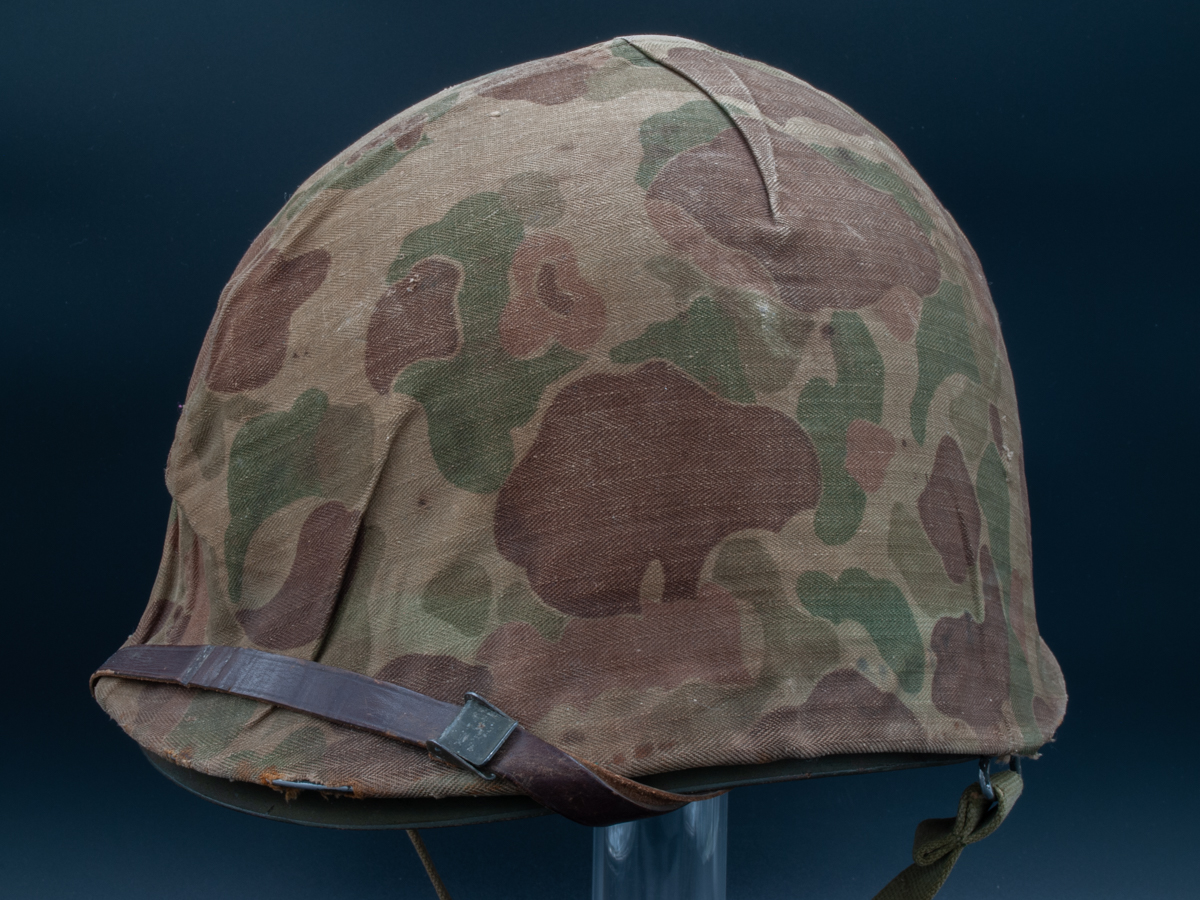
General Information: Starting in October 1943 the M-1 helmets were equipped with flexible chinstrap loops. This was to address the tendency of the fixed chinstrap loops to break. As with the earlier M-1s web chinstraps were sewn to the chinstrap loops. Post-war the helmets were furnished with chinstraps that were removable rather than sewn. CollectorsContinue reading “US M-1 Swivel Bale*”
Model 1917A1*
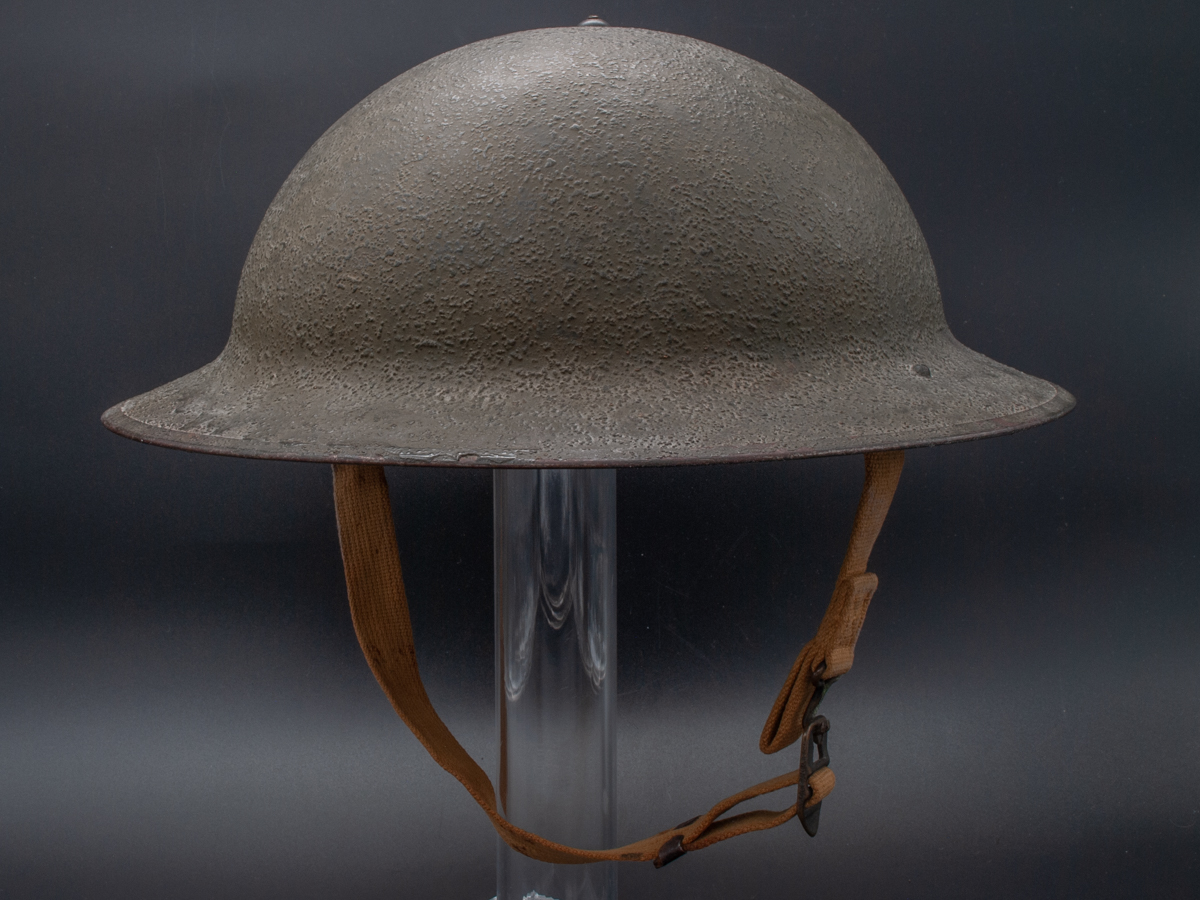
$210 SOLD
USMC*
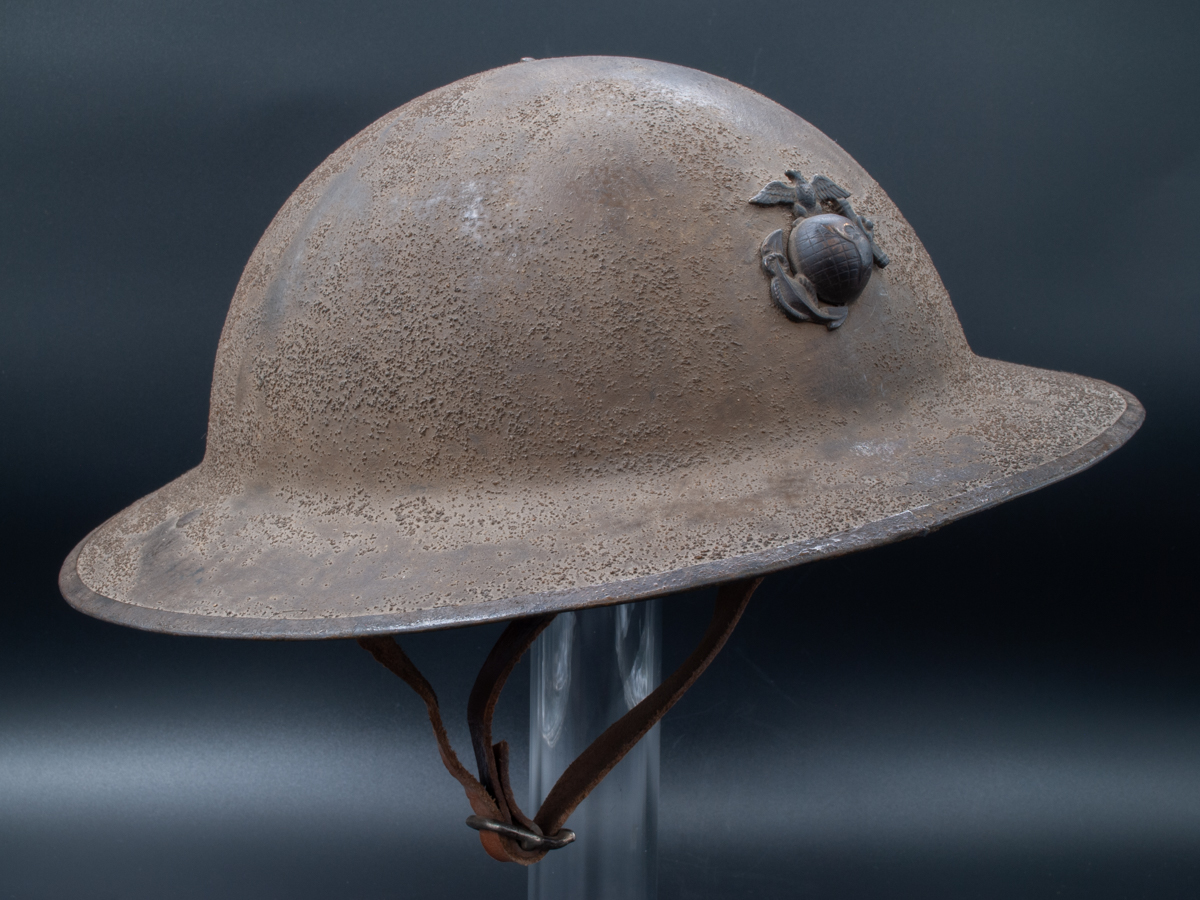
General Information: The application of US Marine Corps cap badges to steel helmets was a common practice in the post-World War One period, but was this was also done, to a lesser extent, during the conflict. The debate among collectors about whether EGA (Eagle, Globe, and Anchor) badges were used during the First World WarContinue reading “USMC*”
US Model 1917*

General Information: The US Model 1917, along with the British Mark I, was the standard headgear of the American Doughboy in the First World War. It is a near identical copy of the British MKI. One quick visual differentiator between the two types is the method of attaching the chinstrap mechanism to the shell; TheContinue reading “US Model 1917*”
US M-1 Fixed Bale*
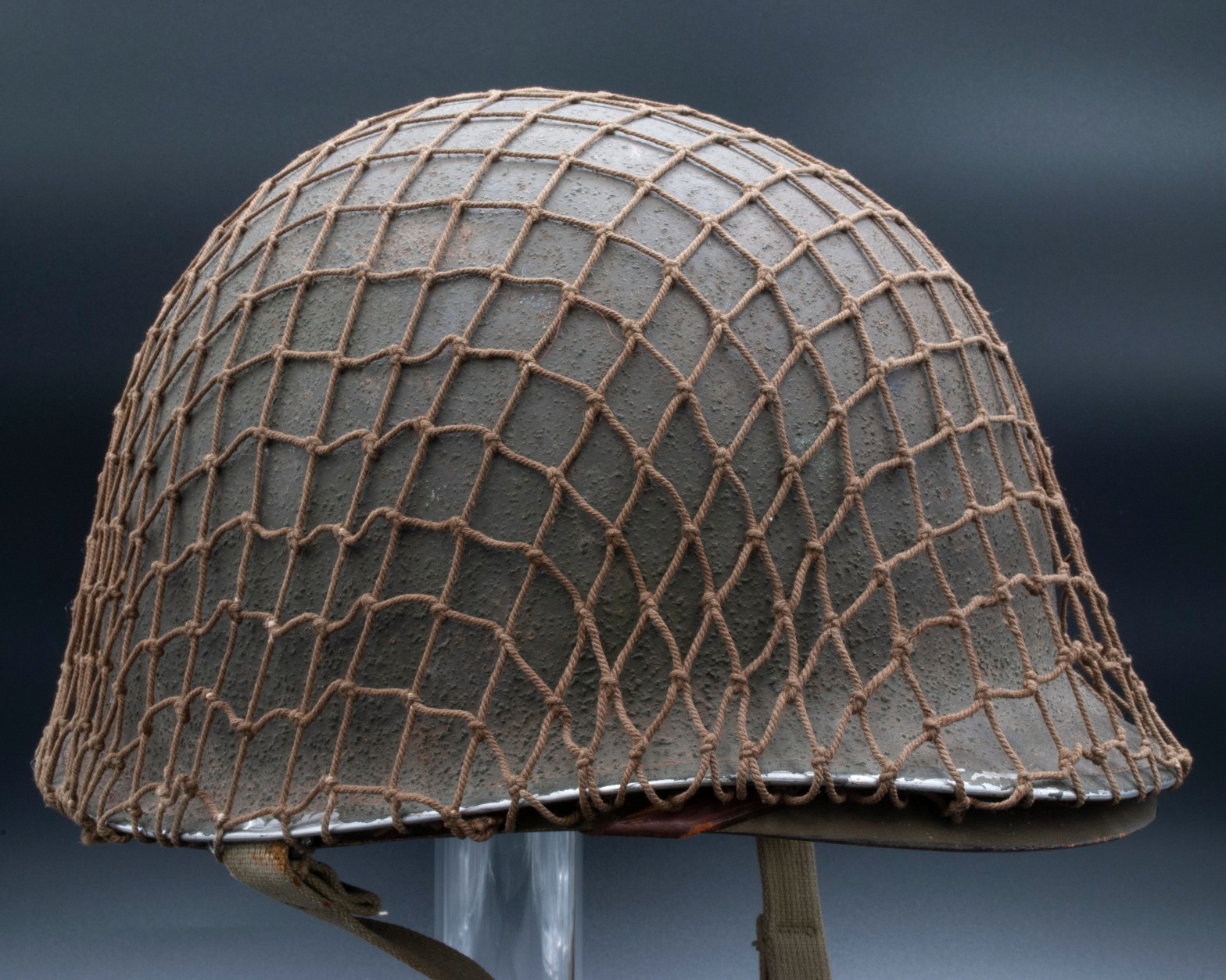
General Information: At the outbreak of the Second World War American soldiers were equipped with the M-1917A1, which was an updated version of the M-1917 helmet used by US armed forces in the First World War. Because of inadequacies of this helmet, the army sought to develop a new model. In late 1940 the USContinue reading “US M-1 Fixed Bale*”
 Steel Helmets of the World Wars