
Revised 12/4/2025
General Information[1]: The Polish wz.31 was produced from 1932 to 1939 by three factories which bore large font black ink stamps identifying the manufacturer as follows:
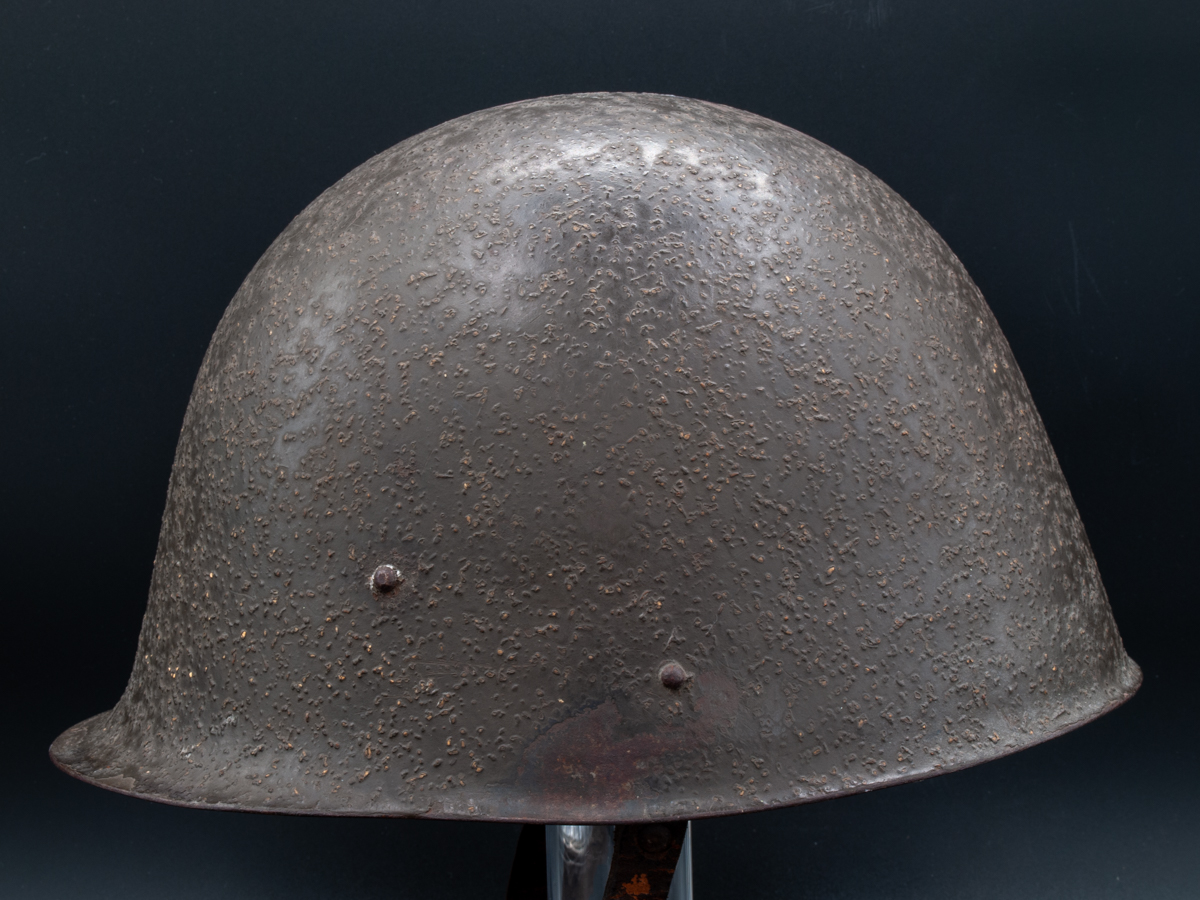
Below the manufacturer stamp, the wz.31 helmets have typically had a two-digit serial number used for quality control. Below that there is normally a two-digit number representing the year: 32-39. In addition, these helmets have two types of military procurement acceptance marks: black oval ink stamps with single letter and a single digit number below that (e.g., “K 2” or “S 1”) and small copper rivets in the center rear skirt of the helmet shell. The rivets are stamped with the same single letter/single digit code. These codes represented the name of a military inspector (e.g., S1 = Captain Tadeusz Sebowicz, etc.).
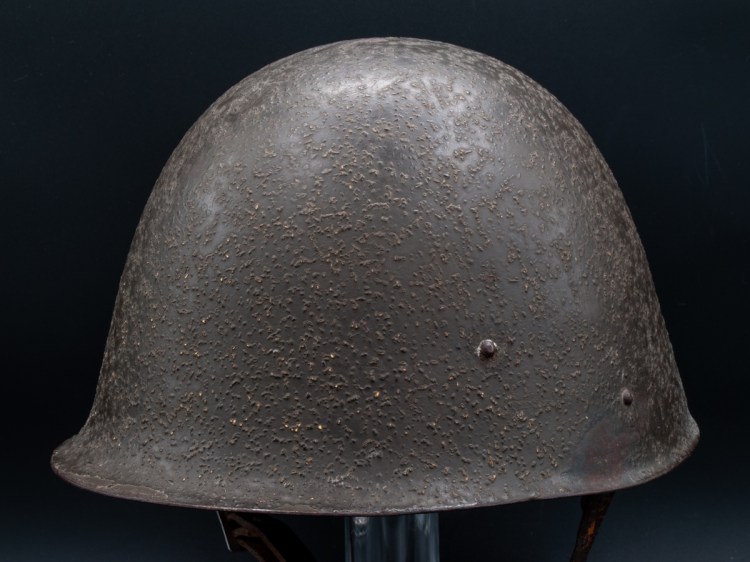
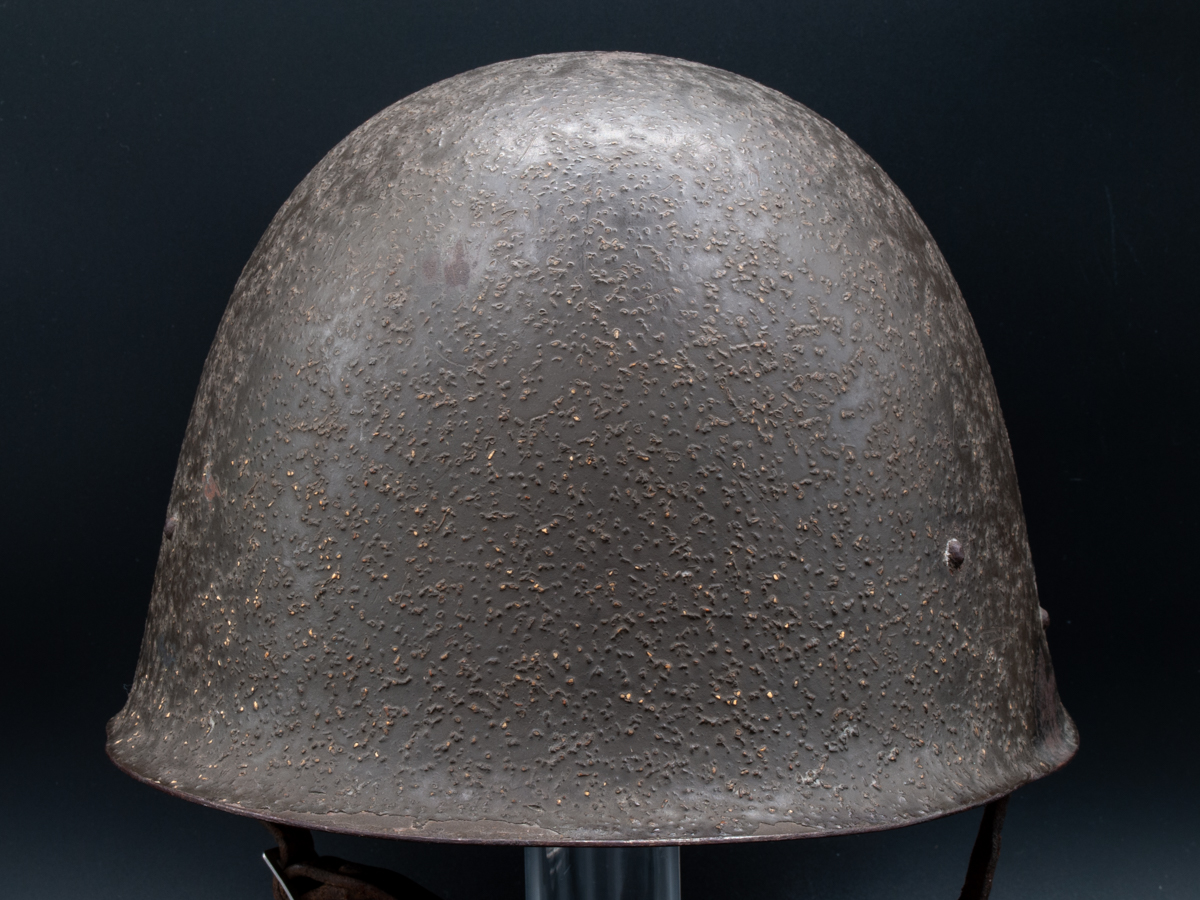
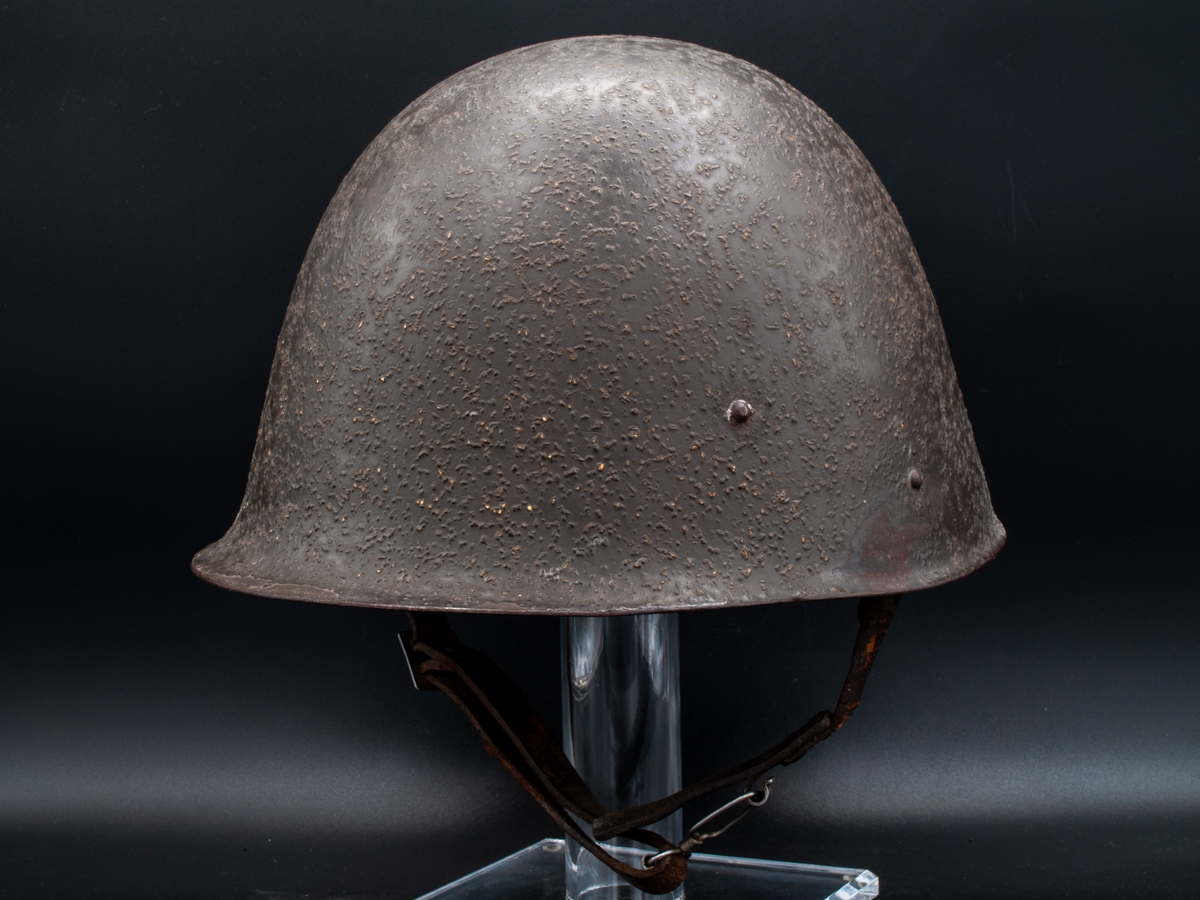
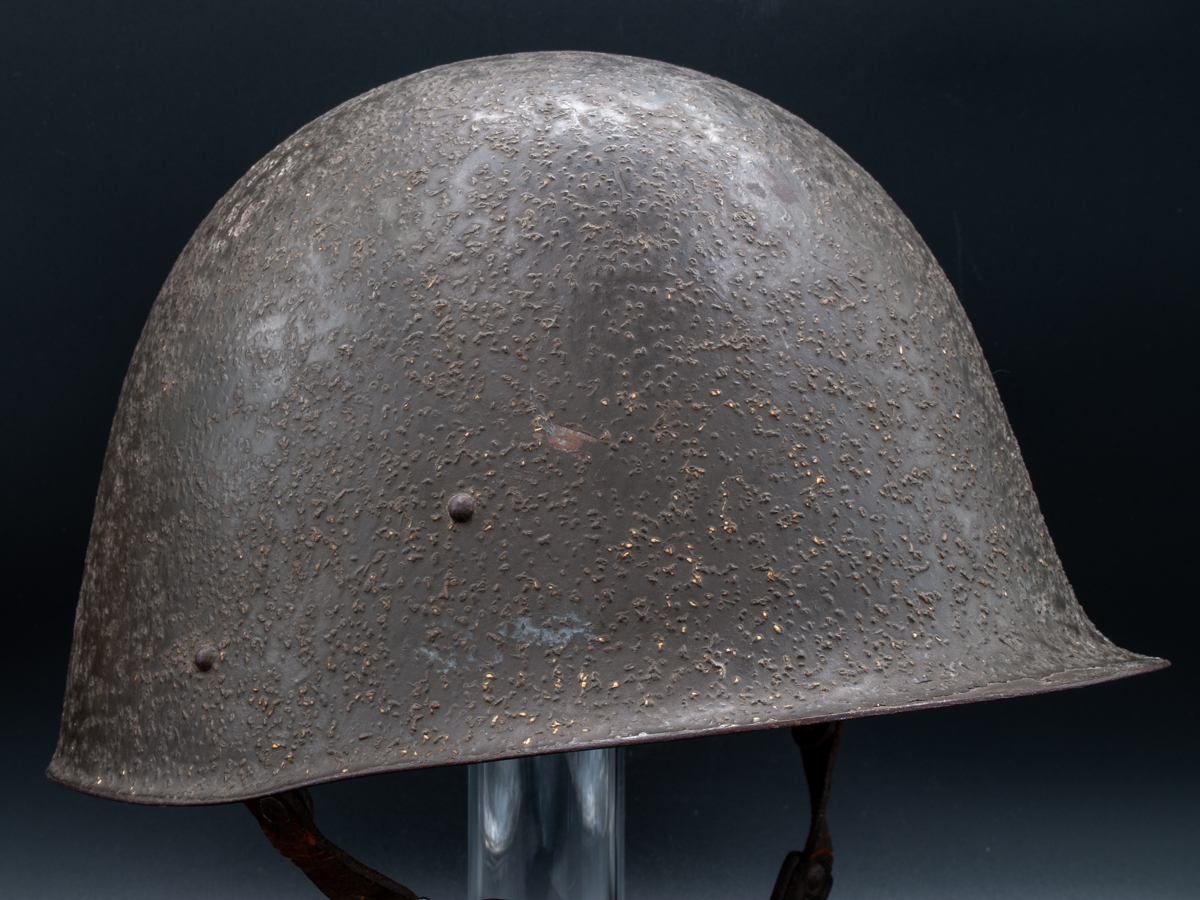
The early production Silesia Steelworks helmets had smooth light khaki paint. Later production Silesia Steelworks helmets and the helmets produced by the other two manufacturers incorporated an admixture of cork which served to reduce the reflectivity of the paint. The color changed from light to dark khaki. In an initial production run of 10,000 helmets the Ludwików Steelworks used an orange primer. This adhered poorly causing the paint to flake off. Subsequently Ludwików Steelworks omitted use of primer. Collectors have referred to the cork infused paint used on the wz.31 as “salamander” paint finish, or sometimes “salamandra” which is the genus name of several species of salamander native to Poland. While this descriptor has long currency and is likely to stick, it turns out that “salamandra” is a misnomer. It was a fashion at this time to give paints a trade name and “Salamandra” was a trade name for paint produced by a company in Poland, but it was a smooth textured paint used, for example, to paint canteens.
The helmet shape varied somewhat depending on the production run and manufacturer.
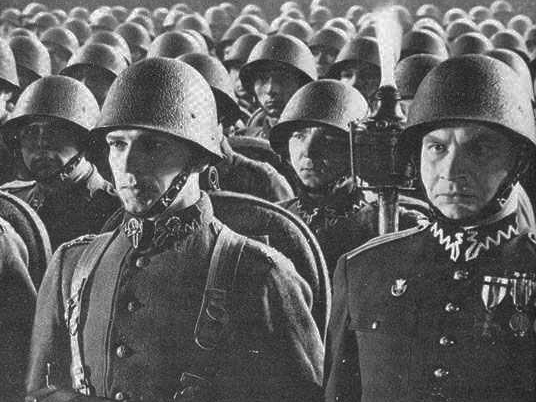
The exact number of helmets produced is unknown due to missing order data for the years 1937 to 1939, but the authors of Polish Helmets Vol. 1 1915-1939 estimate that the total number exceeded 300,00. Based on available records and observations of dates on surviving helmets, production of the wz.31 peaked in 1937.
Production ceased in 1939 after the partition of the country by Germany and the Soviet Union. Production resumed in the post-war period with a version of the helmet referred to as the wz.31/50. The wz.31s were also exported to Persia, Albania, and Republican Spain.[4]
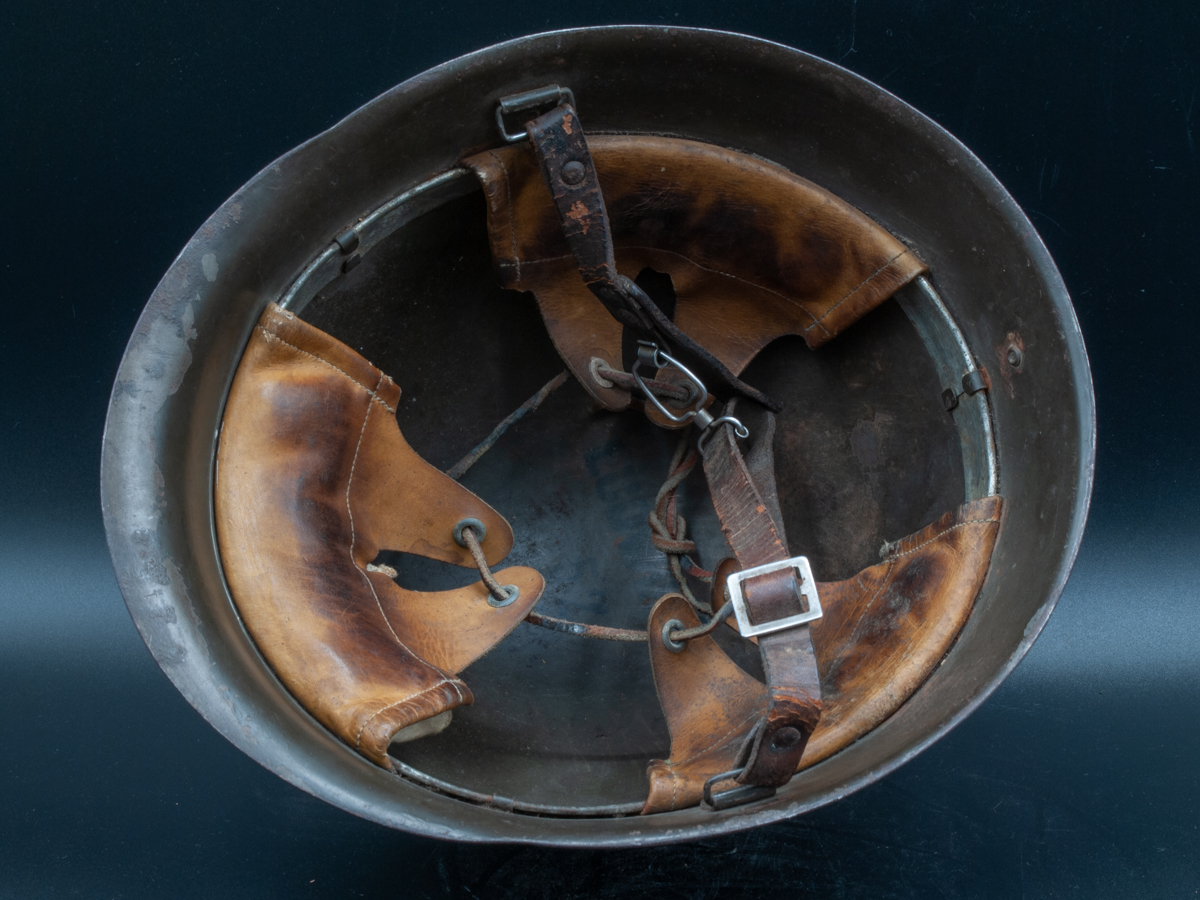
Displayed Example: I purchased this helmet from eBay several years ago. It was one of the helmets manufactured by the Ludwików company. It is stamped “36” for the year of manufacture: 1936. It is complete but for two missing pillows behind the two rear liner pads. The pillows may have been deliberately removed to accommodate the original owner’s head size. This was a common practice with similarly designed German First World War helmets.
Collector Notes: The wartime versions of the wz.31 are now difficult to find and they are expensive. The prices started to increase significantly in the early 2020s. In the twenty-teens they used to sell for around $1,000, but two European auction houses sold wz.31s in 2022 for $1,900 + buyer fee, and $2,100. It should be noted, however, that both helmets were in top condition.
The post-war version of the helmet, the wz.31/50 are often doctored to look like wartime versions of the helmet. This usually involves repainting the smooth painted helmets with something that looks like the cork infused anti-reflective paint used on the older helmets. This is a difficult effect to replicate well and the fakes can often be identified through comparison with originals. The wz.31/50 had extra rivets. Instead of two rivets on the front, the newer helmets had four with two paired one on top of the other. In back instead of two rivets, there are three, all stacked vertically.
[1] Unless otherwise noted, the information here was derived from Hełmy Polskie / Polish Helmets Tom I / Vol. I 1915-1939 by Krzysztof Piotr Kłoskowski and Jarosław Jan Rolewski.
[2] Previously collectors had assumed “HS” stood for “Huta Silesia” (Silesia Steelworks). The reason for this mistake is the fact that the Silesia Steelworks used the stamp “HS” as a manufacturer’s identification for postwar produced pattern 50 and pattern 67 helmets.
[3] At the start of production, the company was named “Suchedniow Casting Factory and Ludwików Steelworks” and was later renamed simply “Ludwików Steelworks.”
[4] Wikipedia. Hełm wz. 31. https://en.wikipedia.org/wiki/He%C5%82m_wz._31#:~:text=31%20(helmet%2C%201931%20pattern),stages%20of%20World%20War%20II.







 Steel Helmets of the World Wars